Visibility
A visual tracker makes progress concrete. Checking off a box or coloring a square provides immediate feedback—your brain registers the win, reinforcing the cue-routine-reward loop.
What you measure, you improve. Use our habit trackers to visualize progress, build streaks, and identify patterns in your behavioral change journey.
A visual tracker makes progress concrete. Checking off a box or coloring a square provides immediate feedback—your brain registers the win, reinforcing the cue-routine-reward loop.
Streaks create momentum. Once you have 3 consecutive days, you don't want to break it. The longer the streak, the more your identity shifts to «I am someone who does this.»
Tracking reveals patterns you might miss otherwise. Which days do you slip? What triggers setbacks? This data informs smarter habit design and targeted adjustments.
Different trackers serve different purposes. Choose one that fits your style—or combine several.
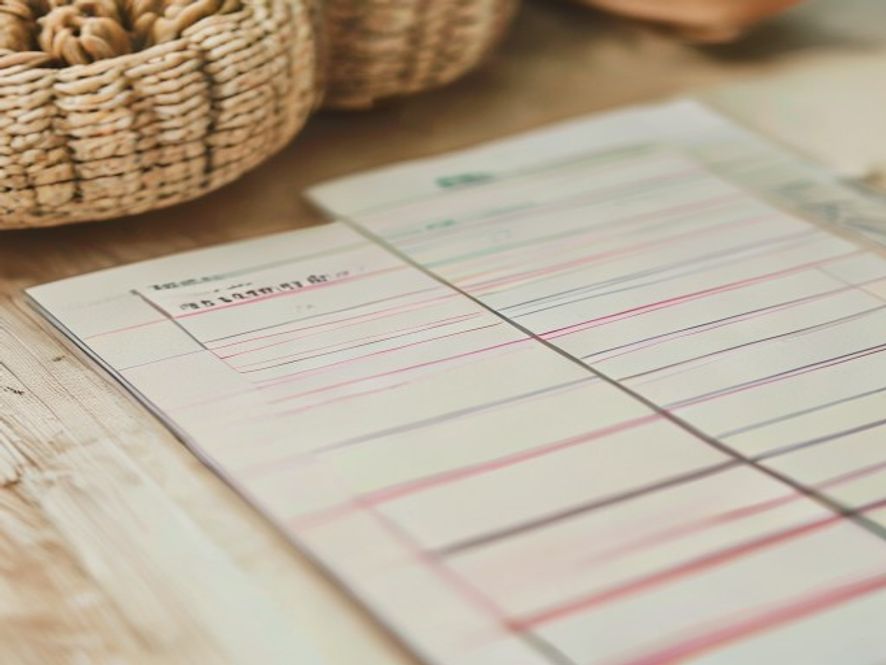
A practical template you can print and customize with your own habits.
One row per habit, 30 columns for days. Mark completed days with a checkmark or color. Visual progress is motivating and quick to scan.
Space for observations: «Skipped because tired.» «Easier today.» «Did it twice.» These notes reveal patterns and build self-awareness.
At week's end, calculate consistency percentage for each habit. Did you hit 80% completion? This data informs whether to adjust the habit or your approach.
«What helped this week? What blocked progress? What will I adjust next week?» Turns tracking into learning.

Every Sunday (or your chosen day), spend 15 minutes reviewing the week's tracking data. Ask yourself three questions:
This ritual turns raw tracking data into actionable insight. Over weeks and months, these adjustments compound, and your habit system becomes increasingly aligned with your life.
Printable grid tracker for up to 5 habits. Space for daily notes and weekly summary. Most popular template.
Get PDFWeekly pages to track cue, routine, reward, and energy for each habit. Builds deep awareness of your loops.
Get PDFDaily checklist for morning habits (hydrate, move, eat, plan). Print one, laminate it, use a dry-erase marker for reuse.
Get PDFDesign your habit stacks with the formula: «After [current habit], I will [new habit].» Includes 8 stacks and reflection space.
Get PDFWe'll help you choose the right tracker format and set up your accountability system. Schedule a consultation to get started.
Book Consultation